Commercial Waste in Barkingside for businesses that need reliable collections

Commercial waste in Barkingside needs a practical, well-organised service that keeps business premises tidy, helps waste move off-site efficiently, and supports day-to-day operations without unnecessary disruption. We handle mixed business waste streams with clear separation of recyclable and non-recyclable materials, so offices, shops, cafés, workshops and other commercial premises can arrange collections that suit the type and volume of waste they generate. The focus is on straightforward removal, sensible handling, and a service structure that is easy to understand when you are planning a one-off clear-out or recurring collection.
For many organisations, the main value is not simply taking waste away; it is managing the process in a way that fits the premises. That can mean working around opening hours, accessing basements or upper floors, or clearing accumulated items from back rooms, storage spaces and staff areas. Our commercial waste removal service is built around those practical needs, with options that can be matched to different business environments and the kinds of materials that need to be cleared.
If you are comparing options, start with a clear list of what needs removing and the pace at which waste builds up. That makes it easier to judge whether a single collection is enough or whether an ongoing arrangement would be more suitable. Request a quotation when you are ready to plan the next collection, or keep reading to see how the service can be arranged around different types of commercial waste.
Office and workplace waste collection

Office waste often includes far more than paper. Desks, packaging, archive material, small furniture items, printer consumables and general mixed rubbish can build up over time, especially during reorganisations or tenancy changes. Our office collections are designed to clear those materials in a controlled way, with attention to separating recyclable items where that is practical. This helps keep workspaces usable and reduces the time staff spend dealing with leftover clutter.
Where a workplace has regular waste output, the collection pattern can be adapted to suit operational routines rather than forcing the business to adapt to the collection. That is especially useful for shared offices, professional practices, studios and smaller teams that do not need the scale of a full industrial contract but still need dependable waste movement. A well-planned collection can also help when clearing storage cupboards, filing rooms or meeting spaces that have become overfilled with outdated material.
What is typically handled in workplace clearances
Commercial premises can generate a broad mix of items, so it helps to separate what can be removed from what requires a specialist route. Typical workplace clearances may include cardboard, mixed office rubbish, unwanted furniture, archived paperwork for confidential shredding, and some electrical items where the correct disposal route is available. If your premises also need disposal of bulky items, the service can be matched to those heavier pieces so they are removed without leaving the rest of the workspace inaccessible.
Bulky items, furniture and fittings

Many commercial clearances involve more than loose rubbish. Desks, chairs, filing cabinets, shelving, reception furniture and other fittings may need to be removed when businesses refit, downsize or refresh their space. Our furniture removal and disposal options are useful where items are no longer needed but are still taking up usable room. The aim is to remove bulky pieces safely and in a way that keeps the rest of the premises manageable during the process.
Furniture clearances often depend on access, quantity and the condition of the items. For instance, a few bulky chairs can be treated very differently from a full suite of office fittings or a large storage area of mixed stock and fixtures. If you are weighing up whether a clearance or a staged removal is the better fit, think about how quickly the items need to go, whether any dismantling is required, and how much room is available for moving large objects through corridors or stairwells. Clear access details help make the collection more practical.
Where possible, items are assessed for suitable sorting rather than being treated as one mixed load. That can matter for businesses replacing old office furniture, hospitality fittings or retail display units, because different pieces may follow different disposal routes depending on material type and condition. If you need to remove furniture as part of a wider office or shop clearance, it is often best to plan the bulky items alongside the lighter waste so everything can be cleared in a single, organised visit.
Household-style clearances for business premises
Some commercial settings contain items more commonly associated with homes than workplaces. That can include sofas in reception areas, mattresses from staff accommodation, appliance units, mixed furniture from managed properties, or domestic-style contents left in vacant buildings. We provide clearances for these kinds of items through service routes that are suitable for businesses, landlords and property managers who need a tidy handover or a prompt reset of the space.
Domestic-style items often require careful grouping because not all materials are handled in the same way. A sofa, for example, may sit alongside packaging, broken furnishings and small miscellaneous waste, but each type of item can need its own disposal decision. When planning the removal, it helps to note whether the materials are mainly furniture, white goods, general household-style waste or a combination of these, because that affects the most efficient way to organise the load.
- Bags, boxes and mixed loose waste from commercial premises
- Furniture and fittings from offices, shops and managed properties
- Appliances and heavier items that need specialist handling
- Confidential paperwork that should be separated for shredding
- Materials that may need recycling or another specific route
Garden, garage and outdoor business waste

Not every commercial collection is confined to an office or shop floor. Some businesses also need help with outside areas, storage yards, garages, service spaces or landscaped grounds. Garden waste, broken outdoor furniture, old tools, worn planting materials and general clear-up debris can build up in these areas and make them difficult to use properly. Our garden and external-area clearance options are suited to those practical, often mixed loads.
Garage and outbuilding clearances can be especially useful for trade premises, residential management companies and businesses with secondary storage. These spaces often collect a mixture of items over time: old equipment, packaging, damaged materials, paint tins, shelving and routine rubbish that was placed there temporarily and never moved on. The right approach is to identify what is present and separate the obvious bulk from smaller waste so the clearance is efficient and safe.
Access and handling matter in these settings because outdoor and semi-outdoor spaces can include narrow gateways, uneven ground or stacked materials. It is generally better to deal with garden or garage waste while it is still manageable, rather than waiting until the contents have become tightly packed or difficult to reach. If you are arranging a wider commercial clearance, combining external waste with indoor items can save repeated handling and create a cleaner final result.
Food premises, appliances and mixed equipment
Businesses that use kitchen equipment, staff room appliances or service counters often need disposal routes for large items such as fridges, freezers, ovens or other appliance units. These items can be awkward to move and may require the right handling from the outset so the collection is safe and orderly. We also deal with related mixed waste, such as worn shelving, preparation tables, packaging and redundant equipment from refits or closures.
Appliance removal is usually best planned alongside the rest of the clearance rather than treated as an afterthought. That is because large units may influence the route through the premises, the number of people needed to move them, and the order in which smaller items should be taken out. Where multiple item types are involved, it helps to keep the heavier equipment separate from general rubbish, so the collection can proceed in a logical sequence without blocking access for staff or customers.
Some businesses also need disposal support for items that contain a mix of materials, such as metal frames, plastic housings and internal components. In those cases, sorting is important because the disposal route can depend on the item type. A simple list of what you have is often enough to guide the work, and if there are any awkward pieces, it is better to flag them early rather than leave them until collection day.
Pricing factors and what affects a quotation

Commercial waste quotations are usually shaped by practical details rather than by a single fixed formula. The main factors are the volume of material, the type of waste, how easily the items can be collected, and whether the load includes bulky pieces, appliances or materials that need a specific disposal route. A clear scope helps produce a more useful quotation because it reduces guesswork and makes it easier to match the service to the actual work involved.
It is also worth considering whether the job is a one-off clearance or part of a recurring pattern. Regular collections may suit premises that generate predictable waste, while occasional clear-outs may be better handled as larger, occasional visits. If the waste is spread across several rooms, floors or storage areas, that can influence the amount of work involved too. Good preparation is mainly about clarity: what needs removing, where it is located, and whether there are any awkward access points or heavy items.
When you are ready to move forward, keep your request simple and specific. Tell us the main material types, the approximate quantity and any special handling concerns. For a straightforward next step, ask for a quotation and include the essentials so the response can be matched to your premises. If you prefer to compare pages first, you can also review our pricing and quotation information before making contact.
Supported disposal routes and responsible sorting
Not every item from a commercial clearance should be treated the same way, so careful sorting is part of a sensible waste service. Mixed loads may contain recyclable cardboard, reusable metal, furniture, appliances, confidential documents, and general rubbish. Separating those streams where practical helps the work proceed efficiently and supports more considered disposal. It also gives businesses a clearer picture of what is going where, which is useful when several departments contribute to the same waste stream.
For some premises, sorting is less about recycling rates and more about avoiding confusion. A stockroom may contain packaging from deliveries, broken shelving, old point-of-sale materials and miscellaneous items gathered during routine operations. In those cases, it is useful to think in categories rather than in one long list of objects. The clearer the grouping, the easier it is to arrange the clearance in a way that suits the site and the timetable.
If your premises include documents, sensitive files or records that must be handled separately, keep them apart from general waste and furniture. Likewise, if any waste falls into a special category, it should be identified before collection so the route is appropriate. Commercial waste removal works best when the disposal plan reflects the item types rather than forcing everything into the same process.
About Barkingside
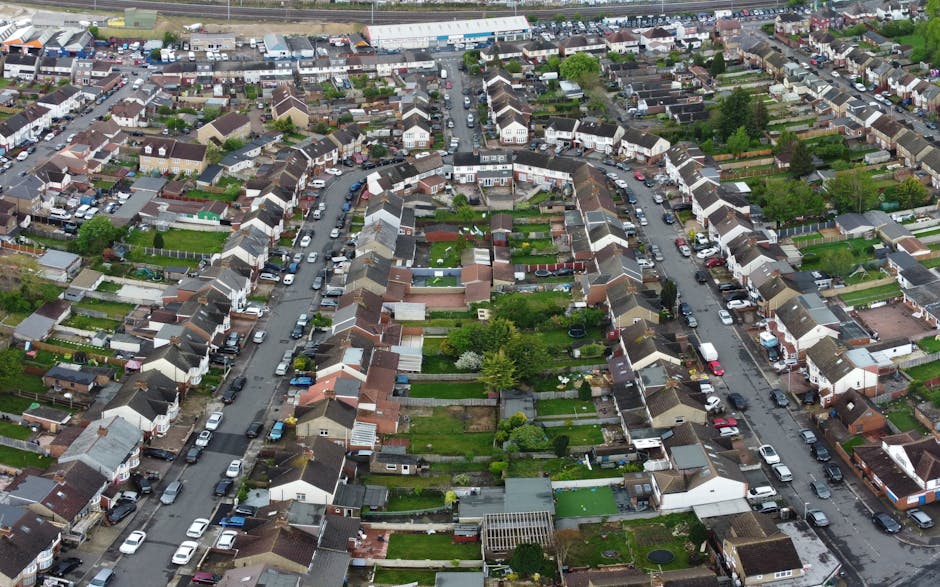
Barkingside is a district in the London Borough of Redbridge, in east London, with a character shaped by suburban development, local shopping streets and nearby open spaces. The area is often associated with the north side of the borough’s network of residential roads and local centres, but it also has a distinct identity of its own. One of the best-known landmarks is Barkingside station on the Central line, which links the district into the wider London Underground network and reflects the area’s long-standing connection to transport-led growth. The settlement expanded during the late nineteenth and early twentieth centuries as the London suburbs spread outward, and traces of that history remain in the street pattern and in the mixture of housing styles found across the district. Local architecture includes rows of interwar homes, later infill development and commercial premises around the main roads, giving the area a layered urban feel rather than a single uniform centre. Barkingside Recreation Ground provides a notable green space, while nearby local parks and sports grounds contribute to the district’s more open suburban atmosphere. The area also has community landmarks linked to civic life and religion, including the National Headquarters of the Girlguiding movement at Girlguiding Headquarters, known as Baden-Powell House in the district’s wider history. Like much of outer east London, Barkingside combines everyday local trade with residential neighbourhoods, schools, worship buildings and leisure spaces, so it functions as both a home district and a place with its own practical local services.
Business waste support for regular and one-off needs
Some businesses need a single clear-out after a move, refit or stock change, while others need a steadier arrangement because waste is generated at a regular pace. We can support both approaches through commercial waste removal that is shaped by the volume, the timing and the type of premises involved. This makes it easier to keep back rooms, work areas and storage spaces under control without turning waste handling into a distraction from the day’s main work.
There are often small decisions that make a collection easier. For example, separating flat-pack cardboard from mixed rubbish can simplify handling, and grouping heavy items close to access points can reduce unnecessary movement through the building. These are not complicated steps, but they do help create a more efficient visit. If you have several different waste types, it is usually best to note them in one clear message rather than sending information piecemeal.
Preparing a straightforward enquiry
To arrange the right service, it is usually enough to describe the main items, indicate the premises type and mention any access considerations such as stairs, loading points or limited parking. If there are photos or an inventory, they can be useful, but the main aim is simply to make the load understandable before the visit. A concise enquiry helps avoid confusion and gives a clearer basis for the next step. Contact us when you are ready to request a quotation.
Clearance choices for changing business spaces
Business premises rarely stay the same for long. Offices are reorganised, stockrooms are rearranged, retail displays are changed, and storage areas gradually fill with items that no longer serve a purpose. Commercial waste removal is most useful when it can support those changes without creating extra work. That may mean removing only selected items from a site, or clearing a larger amount of waste during a move, closure or refurbishment.
Choosing the right scale matters. Some premises need only a few bulky items taken away, while others require a more complete sweep of mixed waste and furniture. It can help to think about the clearance in zones: front-of-house, back-of-house, storage, external space and any office or staff areas. This gives you a more accurate picture of the task and makes it easier to explain what needs to happen during the collection.
If you would like to move ahead, keep the request focused on the waste itself rather than on general business details. The best quotation is usually based on the material type, the amount to be removed and the access available on the day. For the final step, send your details and ask for a quotation so the collection can be matched to the job in hand.